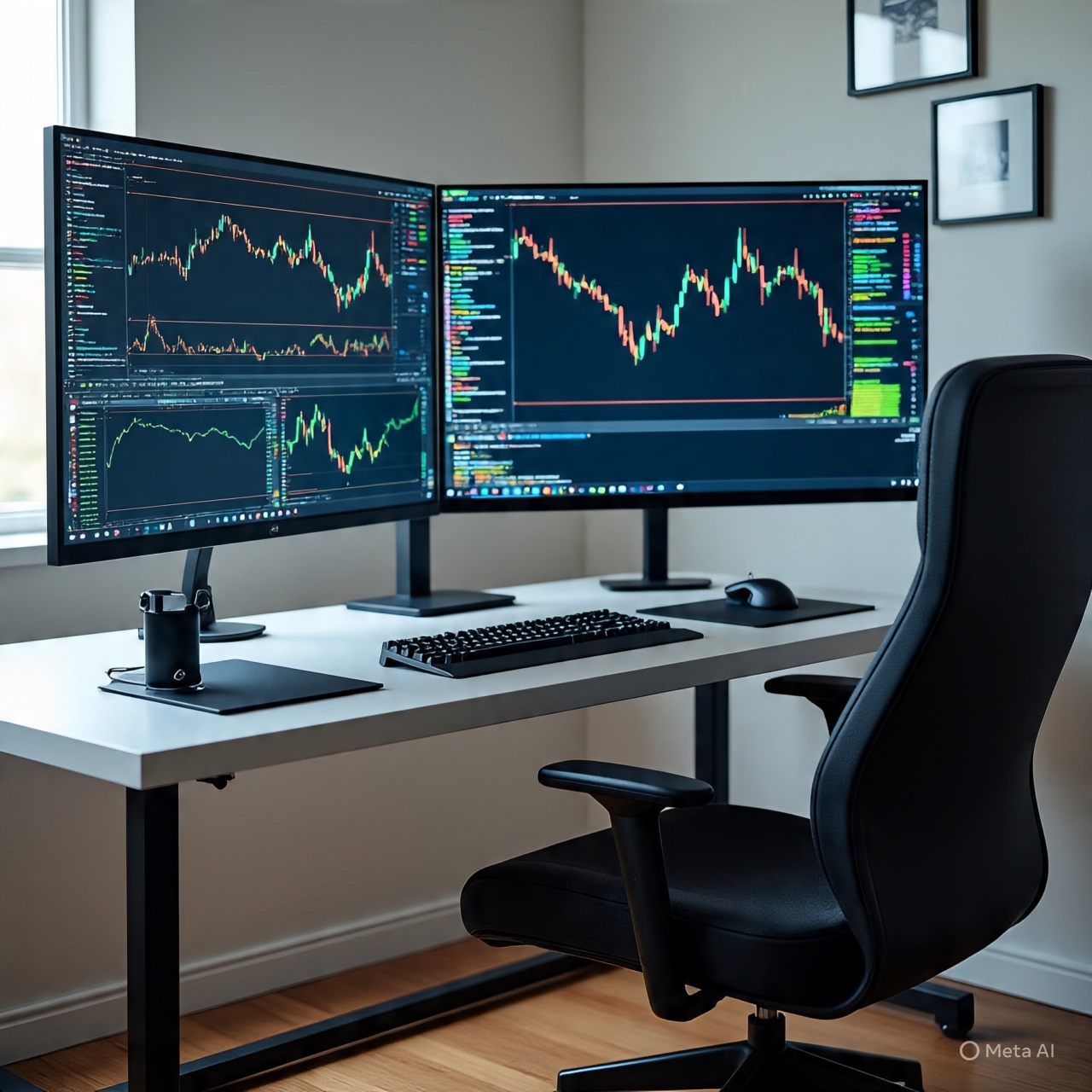
Forex Trading
🌍 What Is Forex?
- Forex = "Foreign Exchange" = Currency Trading
- Always traded in pairs (e.g., EUR/USD, USD/JPY).
- Example: If you buy EUR/USD, you're buying euros and selling U.S. dollars.
🖥️ How to Start Forex Trading
- Learn the Basics
- Study technical and fundamental analysis.
- Understand risk management and trading psychology.
- Choose a Reliable Forex Broker
- Regulated (e.g., by FCA, NFA, ASIC, CySEC).
- Offers good spreads, leverage options, and a user-friendly platform.
- Popular brokers: IG, OANDA, Exness, XM, Pepperstone, RoboForex, OctaFX.
- Open a Demo Account
- Practice with virtual money before risking real capital.
- Fund Your Account
- Use bank transfer, credit card, or e-wallets.
- Use a Trading Platform
- MetaTrader 4/5 (MT4/MT5): Most widely used.
- Other platforms: cTrader, NinjaTrader, TradingView.
- Develop a Trading Strategy
- Day trading, scalping, swing trading, or long-term investing.
- Start Trading and Manage Risk
- Use stop-loss orders.
- Risk only 1-2% of your capital per trade.
⚠️ Risks of Forex Trading
- Highly volatile and speculative.
- Use of leverage magnifies both profits and losses.
- Emotional decisions often lead to poor trades.
- Scams and unregulated brokers are common.
📌 Tip: Never trade with money you can't afford to lose.
✅ Benefits of Forex Trading
- 24/5 market (open from Sunday evening to Friday night).
- High liquidity.
- Low transaction costs.
- Access to leverage.
- Can be done from anywhere with an internet connection.
Would you like:
- A list of best Forex brokers for your region?
- Help with creating a trading strategy?
- A guide to technical indicators like RSI, MACD, and Bollinger Bands?
- A comparison of demo vs real accounts?